Emilia-Romagna: Italy's Deliciously Undiscovered Heart

Updated: Oct 5, 2025
Forget everything you think you know about must-see Italy. While crowds queue for hours at the Uffizi or jostle for space on Venetian bridges, we discovered something far more rewarding eastward toward the Adriatic. A region where the pasta is perfect, the cars are legendary, and the crowds are blissfully absent. Welcome to Emilia-Romagna, Italy's best-kept secret hiding in plain sight.
For a week, we immersed ourselves in the quietly confident charm and undeniably delicious culinary soul of Italy: Emilia-Romagna. This northern region doesn't shout for attention like its famous neighbors, but that quiet confidence is exactly what makes it irresistible. Here, the pace is unhurried, and every meal feels like a masterclass in what Italian cuisine can be when it's made by people who've been perfecting recipes for generations.

Emilia-Romagna's reputation as Italy's food capital isn't marketing hype—it's delicious fact. This unassuming stretch of northern Italy gave the world nearly every Italian staple you've ever craved: silky Parmigiano Reggiano, paper-thin Prosciutto di Parma, genuine balsamic vinegar, and that soul-warming ragù alla bolognese your nonna could never quite replicate.
Bologna: Where Ancient Meets Academic
Bologna won us over before we'd even unpacked. The city hums with the youthful buzz of its renowned university – the oldest in the Western world. Wandering through the porticoed streets, a UNESCO World Heritage site, you can feel the centuries of scholarship and lively student chatter echoing around you. It creates the perfect stage for wandering, people-watching, and working up an appetite. The iconic Two Towers, Asinelli and Garisenda, offer panoramic views of endless terracotta rooftops and soaked in the atmosphere of Piazza Maggiore.


But Bologna is more than just history and academia; it’s a culinary powerhouse. They don't call Bologna "La Grassa" (the fat one) for nothing. This is where ragù alla bolognese was born, and sitting down to fresh tagliatelle here isn't just dinner—it's a cultural education. Every trattoria seems to serve up a version that's been perfected over generations.
Ravenna: Italy's Hidden Artistic Treasure
Ravenna stopped us mid-stride with walls that shimmer like jeweled tapestries. Forget everything you think you know about Italian art—this UNESCO World Heritage city tells its story in Byzantine mosaics so intricate they seem to glow from within.
Standing inside the Basilica di San Vitale, surrounded by those ancient tesserae, you realize you're experiencing art that predates the Renaissance by centuries. It's a humbling reminder that Italy's cultural layers run deeper than most travelers ever discover, and Ravenna offers front-row seats to this earlier chapter of artistic brilliance.


Modena: Where Fast Cars Meet Slow Food
Modena surprised us most with its elegant contradictions. Yes, this is supercar central—Ferrari, Lamborghini, Maserati, Ducati, and Pagani all call this area home. The Museo Enzo Ferrari offers a sleek journey through automotive history that's worth visiting even if you can't tell a carburetor from a catalytic converter.


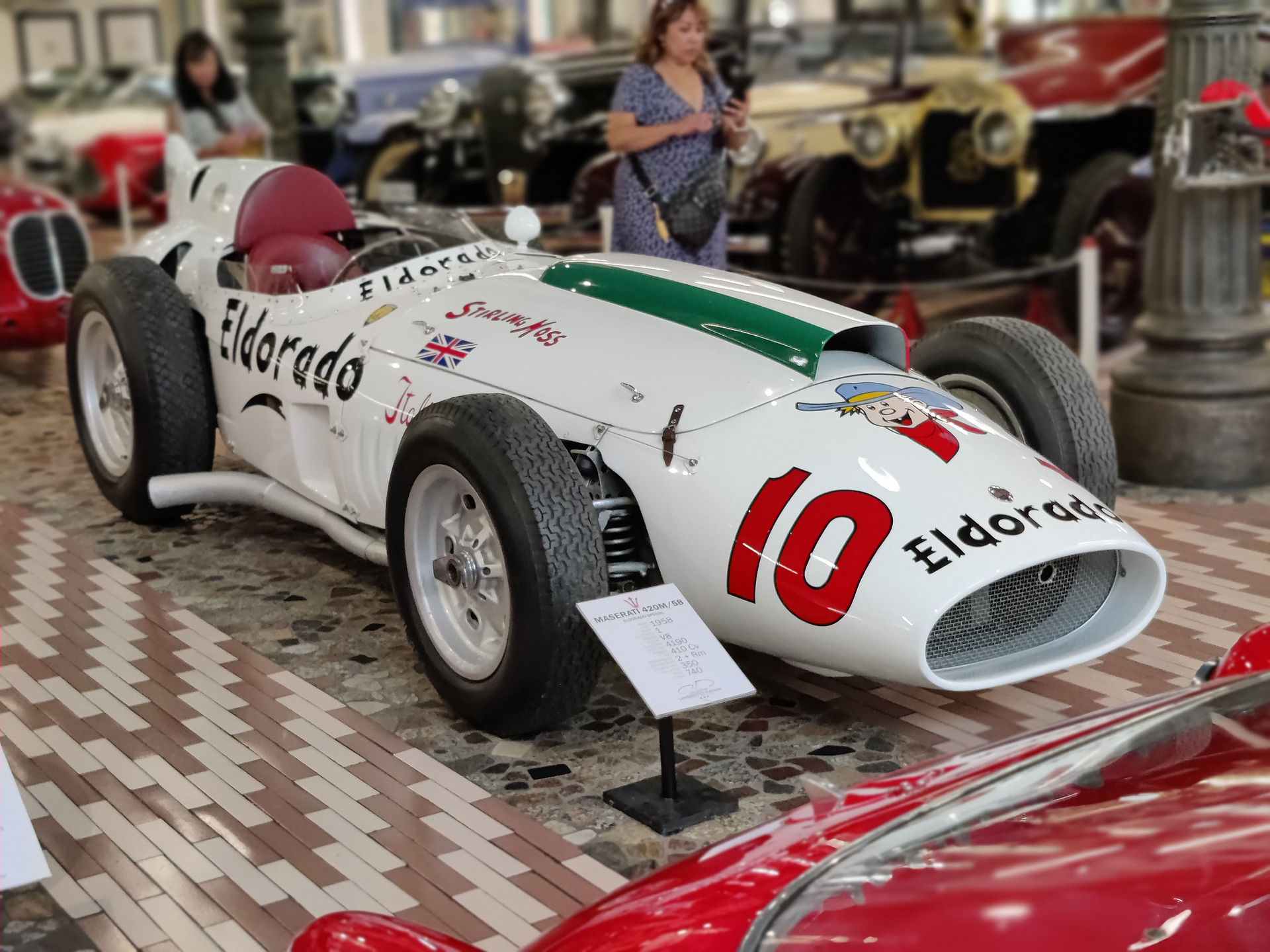

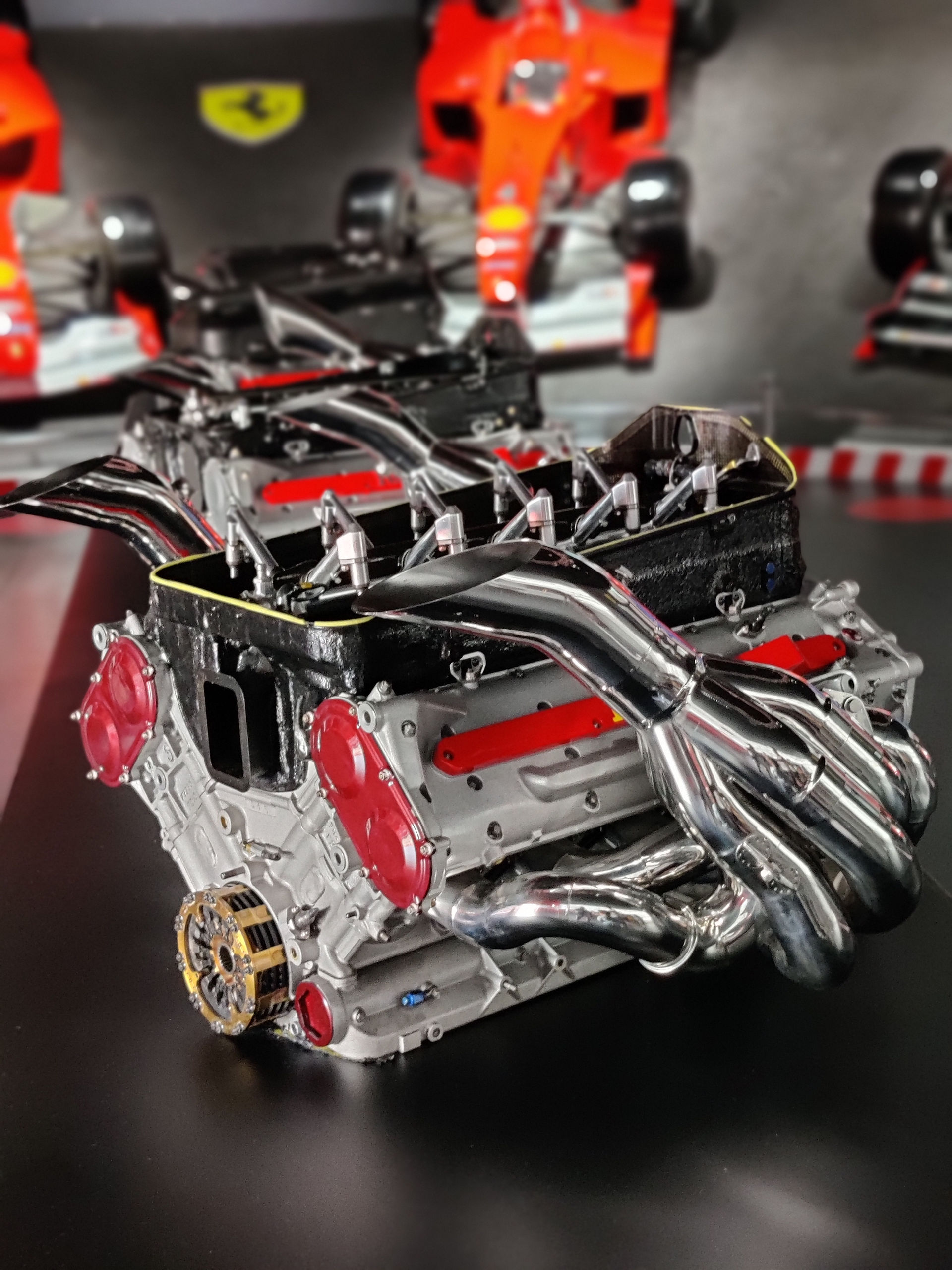

But Modena's real treasure isn't found in gleaming showrooms—it's aging quietly in dimly lit rooms where traditional balsamic vinegar slowly transforms from grape must into liquid gold.
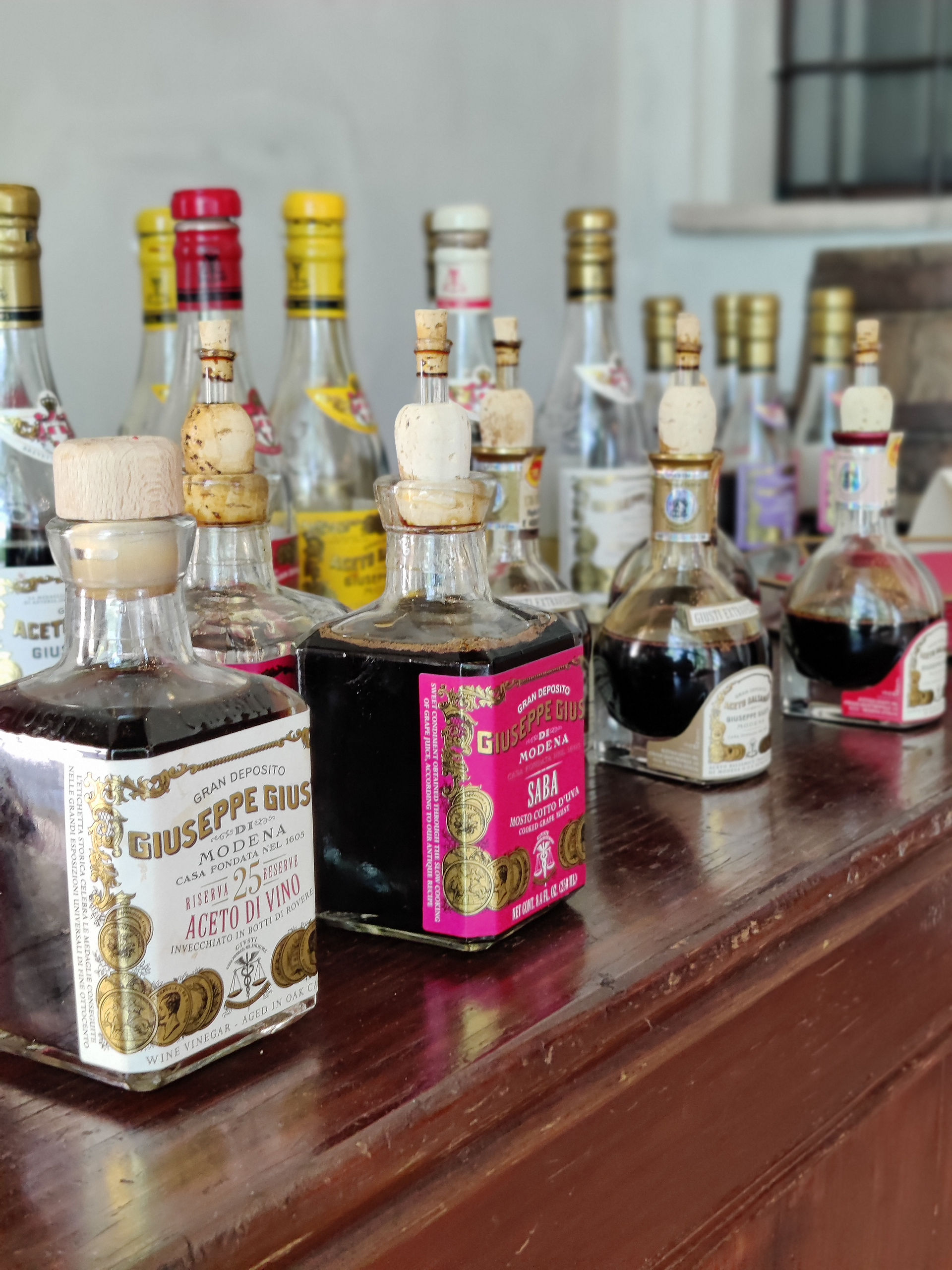
It’s a distinct privilege to visit one of the centuries-old producers of traditional balsamic vinegar. Witnessing the meticulous aging process, the rows upon rows of precious barrels, and finally tasting a single, concentrated drop of this dark, syrupy elixir was a revelation. It wasn’t just vinegar; it was history, patience, and pure artistry in a bottle. This wasn't tourist theatre-it was a genuine glimpse into a time-honored craft that measures success in generations, not quarters.


Parma: A Masterclass in Simplicity
Parma, a name synonymous with two of Italy’s most prized culinary treasures: Prosciutto di Parma and Parmigiano Reggiano. Visiting a local caseificio (cheese factory) was an eye-opening experience. We witnessed the ancient rituals of cheesemaking, the careful stirring of milk in massive copper vats, and the patient hands of the artisans.
The real magic happened when we stepped into the stagionatura room, a vast space filled floor to ceiling with thousands upon thousands of aging Parmesan wheels, each one slowly developing its nutty, complex flavor. The air itself seemed to hum with anticipation of deliciousness to come.

The Real Farm-to-Table Story
Throughout Emilia-Romagna, "farm to table" isn’t a trendy hashtag. It was simply the way of life and how things have always been done. Every meal felt deeply connected to the land, from the freshest pasta dressed with simple, seasonal ingredients to the rich, slow-cooked ragù that defines regional identity. Each dish was a testament to the region's agricultural bounty and culinary traditions.
This isn't about Instagram-worthy plating or molecular gastronomy. It's about ingredients so exceptional they need little more than skillful, respectful preparation—and the wisdom to know when to stop.
Why This Matters Now
Emilia-Romagna taught us something valuable about modern travel: sometimes the best discoveries happen when you venture beyond the greatest hits. In a world where authentic experiences feel increasingly staged, this region offers something precious—tradition without pretense, quality without the show.
Here, slow food and fast cars coexist in perfect harmony, locals have time for genuine conversations, and every meal tells a story rooted in place and tradition. It's a region that rewards curious travelers with experiences that linger long after the last bite, proving that sometimes the best journeys happen just off the beaten path. It's Italy as it was meant to be experienced: unhurried, unfiltered, and unforgettable.
____________________ P.S. (Piccoli Segreti or Little Secrets)
The Three Letters That Changed Everything: Here's a tip that transformed how we navigated menus: look for those three little letters, DOP. Short for denominazione di origine protetta (protected designation of origin), it's Italy's stamp of authenticity—a guarantee that what you're eating was made in the traditional way, in the right place, by people who know what they're doing. It's like a passport for flavor, ensuring every bite connects you to centuries of culinary tradition.
Balsamic Magic by the Numbers: Age isn't just a number—it's everything. Young balsamic brings bright acidity, but wait for the 12+ year DOP versions and you'll taste fig and cherry notes emerging. The 25+ year bottles? Pure liquid gold with caramel sweetness and woody complexity that justifies every euro spent.
Parmigiano's Perfect Timeline: Fresh at 12 months with delicate, milky flavors. At 24 months, those signature nutty notes appear. But the real magic happens at 36+ months when the cheese develops crystalline crunch and deep, complex umami that pairs perfectly with a drizzle of aged balsamic.
Taste It Yourself: Ready to experience these flavors firsthand? Book your Emilia-Romagna tours here and discover why this region has captured the hearts (and stomachs) of food lovers worldwide. If you prefer a curated list or itinerary, let’s chat!
Andiamo, Bixby X Fora




Comments